 PrimetimeGeek independent tech news · est. 2009
The best Mindtickle alternatives for sales readiness, and how to tell a platform from a practice
Mindtickle built the sales-readiness category: onboarding, certification, content and coaching in one suite. The question for US buyers now is whether readiness is a platform problem at all. A guide to the alternatives worth evaluating, what each one is genuinely built for, and the distinction that separates a readiness dashboard from a rep who is actually ready.
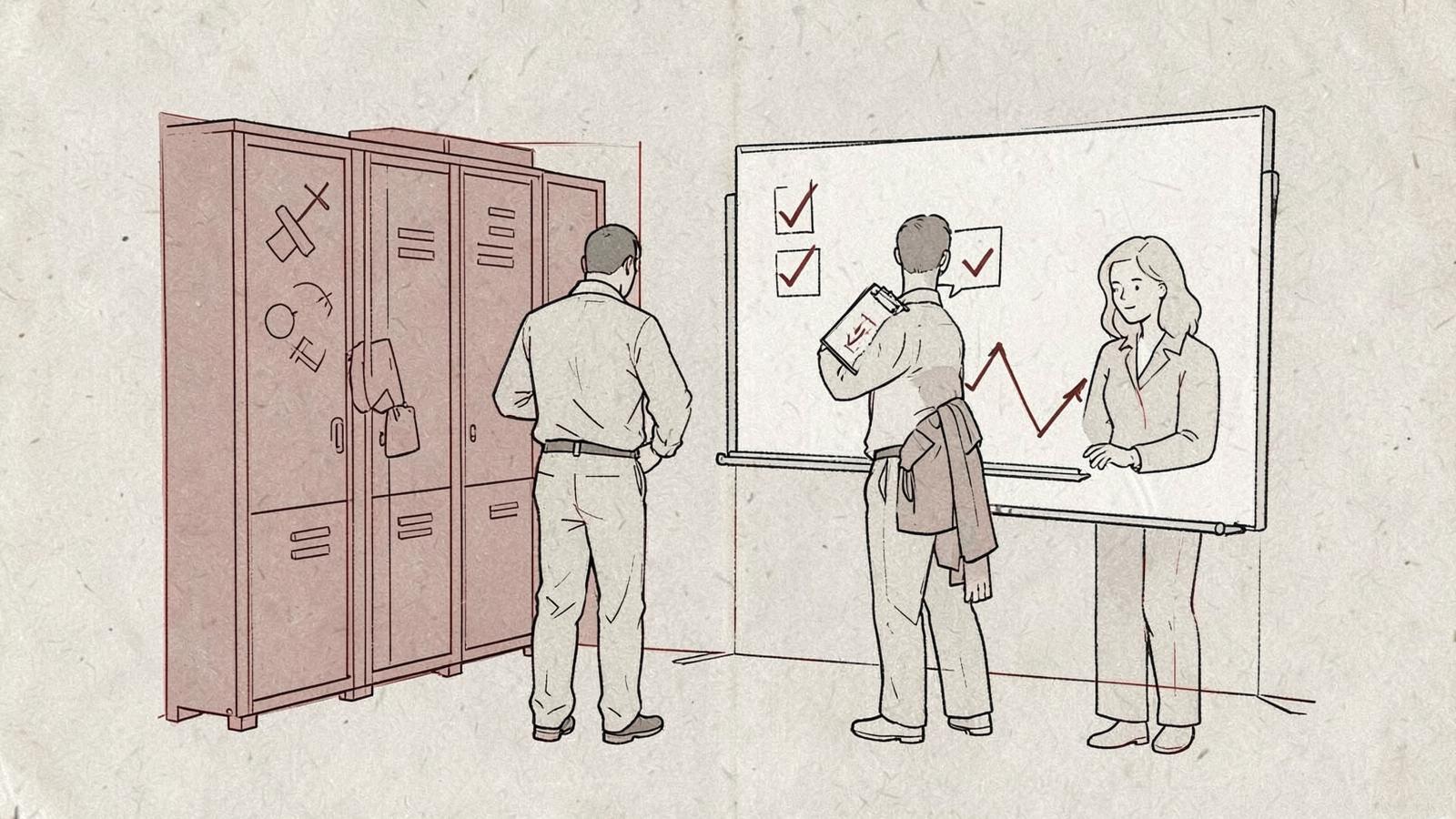
Mindtickle earned the category. For US revenue organizations, it made sales readiness a thing you could buy: one suite covering onboarding, certification, content management, roleplay and coaching, with a readiness score on top that a CRO can put in front of a board. For large teams that were running enablement out of a wiki, a spreadsheet and hope, that consolidation was real progress.
So why is everyone reading a page like this one? Because readiness suites are broad by design, and breadth has a cost. The suite is heavier than a fifty-person team needs. Certification scores turn out to measure course completion more than field behavior. And teams whose reps sell face to face, on doorsteps, in kitchens, across truck tailgates, discover that the entire readiness model assumes a rep behind a screen with a calendar of scheduled meetings.
This guide is for the US buyer, VP of Sales, enablement lead, or founder, who has run the Mindtickle demo and is asking the better question: not which suite has the most features, but what does ready actually mean for my reps, and which system produces it. No vendor paid for placement here, and where a claim belongs to a vendor rather than to independent evidence, it is described that way.
The question that decides the shortlist
Ask it of every vendor, including Mindtickle: is readiness a state you certify, or a loop you run?
Certification-state tools, and that is most of this category, treat readiness as a threshold: the rep completes the modules, clears the roleplay bar, and is stamped ready. The model inherits from corporate learning, where completion is the metric and the LMS is the system of record. It works when the selling environment is stable and the meeting is the unit of work.
In high-frequency field sales, the environment is not stable and the meeting is not the unit of work. The day is. A rep can be certified in June and degraded by August, carrying yesterday's rejections into today's doors, skipping the direct ask by late afternoon, collecting signatures that cancel three days later. Readiness there is not a stamp; it is a loop, reset, perform, capture one lesson, carry it forward. No certification gate touches the reset between doors. That is not a missing feature; it is a different product.
Hold that distinction and the alternatives sort themselves.
The shortlist
1. Practis, when readiness means the rep, not the record
The clearest structural alternative for US field-sales organizations, because it is organized around the rep across a full day of interactions rather than a course completion. Practis publishes the PRACTIS Method, a seven-stage loop, Presence, Reveal, Agency, Clarify, Truth, Invite, Score, and operationalizes it through simulation, coaching, certification and analytics.
The loop starts where readiness suites stop. Presence is the reset a rep performs between interactions: drop the last no, read the actual person in front of you, commit to this door. Score closes the interaction and locks exactly one lesson, carried forward into the next Presence. Between those bookends sit the stages a conversation tool would recognize: reveal who the buyer is, give them agency, clarify the problem, tell the truth about fit, invite the decision directly.
Underneath the stages sit nine performance dimensions, Inner Game, Human, Trust, Information, Tactical, Competitive, Score, Learning and Long Game, and they exist for the coach, not the rep. That is what makes it diagnostic rather than administrative. Five reps can show the same surface symptom, a weak ask, for five different reasons: nerve gone by mid-afternoon, thin information gathered two stages earlier, wrong timing, invented urgency that burns the territory, or a yes that was never anchored. A completion report says the rep passed the module. A dimension model says which of the five you are actually coaching. The full public write-up of the method is at practis.ai.
Shortlist it when your motion is roofing, solar, pest control, home security, telecom, home improvement or insurance field sales, or any territory-based model where a rep's reputation follows them street to street. Skip it if you need one suite to govern content, onboarding and compliance for a thousand-seat org; the loop is built for performance, not for being a system of record.
How it goes wrong: buying the platform and skipping the manager cadence. A dimension model with no weekly coaching rhythm degrades into another dashboard nobody opens.
2. Second Nature, for certification-style roleplay at scale
A fixture on US shortlists, with a strong position in structured, certifiable AI roleplay: reps run scenarios against an AI buyer until they clear a defined bar. It suits enablement teams that need a defensible readiness gate before reps touch live pipeline.
Shortlist it when certification and consistency across a distributed team are the real requirement. Look past it when the problem is coaching depth on real behavior rather than pass-or-retry practice.
3. Hyperbound, for cold-call practice
Built around realistic AI cold-call simulation, which made it a default for SDR onboarding and top-of-funnel practice. If your readiness problem is specifically new reps freeze on outbound dials, it is a closer fit than a full suite.
Shortlist it for phone-based prospecting motions. It does not attempt to be a readiness platform, and teams that need content, certification and coaching in one place will end up buying around it.
4. Showpad and Highspot, when content is the real gap
Both compete with Mindtickle from the content side: enablement platforms where the strongest module is getting the right asset to the rep at the right moment, with training attached. For many US mid-market teams the honest diagnosis is that reps cannot find or present the material, and in that case a content-led platform solves more of the problem than a readiness-led one.
Shortlist either when content chaos, not rep skill, is the named problem. Run the same discipline either way: pick one metric, one pilot, one quarter.
5. Quantified, for measurement-led readiness
Positions around simulation with structured assessment of how a rep comes across, appealing to teams that need a repeatable, defensible measure rather than a manager's impression, useful where the political problem is proving enablement worked.
Shortlist it when consistent scoring across many reps is the requirement. Confirm in the pilot that the scoring model matches how your buyers actually decide, not just how a rubric reads.
6. Conversation intelligence, when readiness was never the problem
Gong and its peers are not readiness tools, and that is the point. If your reps already sell competently and what you lack is signal from real calls, another training layer solves nothing. Buy the recording and analysis layer first, then decide whether readiness is still the gap.
This is the most common mis-purchase in the category: teams buy training when they needed evidence, or a suite when they needed a habit.
Five questions that separate the demos
Demos in this category are engineered to look identical. These questions are not.
1. What does ready mean in your model? A certified state, or a loop that runs every day? For field teams this answer alone predicts most of the outcome difference.
2. What does the score measure? Course completion and scenario passes, or behavior across real interactions? Ask to see what a failing score actually diagnoses.
3. What happens between interactions? Ask specifically about the reset and the one-lesson capture, and how yesterday's lesson shows up in tomorrow's practice. Silence here means you are buying a course library, not a readiness system.
4. What is the true seat cost at our size? Suites price like platforms. Ask for the all-in number, implementation, admin headcount, content migration, at fifty seats and at five hundred, and decide which one you actually are.
5. Who owns rollout on our side? No platform in this category succeeds without a named internal owner and a weekly manager rhythm. Vendors will not say this in a demo. It is still the strongest predictor of whether the purchase works.
How to pick
- Field, door-to-door or territory-based selling: Practis, because the loop covers before, during and after the interaction, not just the training event.
- One readiness suite for a large, distributed org: Mindtickle, which is what it was built for.
- Certification-style roleplay gates: Second Nature.
- Cold-call and prospecting practice at volume: Hyperbound.
- Content chaos as the named problem: Showpad or Highspot.
- Defensible, consistent measurement: Quantified.
- Reps who already sell but are not improving: conversation intelligence first, training second.
And the rule above all seven: run one pilot against one named metric for one quarter, ramp time, stage-two conversion, cancel-rate durability, and hold the vendor to the number you named before the demo. Two pilots at once produce a comparison nobody can read and a renewal nobody can justify.